
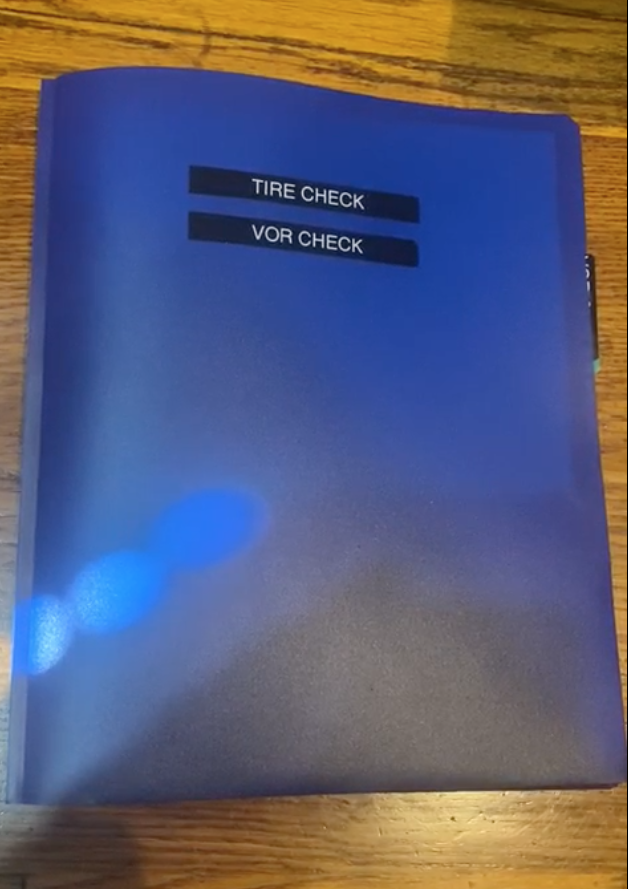
Tire Check and VOR Check Procedures
- Details
Each aircraft contains a dedicated logbook for recording tire checks and VOR checks. Each member should check and record the tire pressure for the first flight of the day. We have tire gauges in each airplane and the correct pressure is written on the wheel struts as well as on the tire gauges. Each airplane has its own specific tire pressure requirement as noted in the POH. If you find the pressure is not correct, you can use the battery operated compressor in the key room to inflate the tires or you can request help from the line attendants to fill the tires. Note that you will need to tell the line attendant the specific pressure to use for each tire. If the tire is over-inflated you can simply release small amounts of air until you have the correct pressure. Also please note that tires pressures will not be accurate if the plane has been flying and moving on the ground, so please only check and adjust the pressure if the plane has been sitting for a long while.
VOR checks? Why do we need those in this age of disappearing VOR's and GPS approaches? Because some of the airports in our immediate vicinity only have VOR approaches and you may need a VOR approach during a GPS outage. VOR checks are good for 30 days - which is not very long. So the best strategy is to always "pay it forward". Do a VOR check whenever you have a chance and record it legally in the VOR log so that it counts for the next pilot. Someday you will be that pilot who needs to lift off in IFR to a VOR only destination like Ennis (F41). Trust me you will appreciate the pilot who flew before you and kept the VOR valid for IFR use.
Gary provided a short video here showing the log. Please use it!
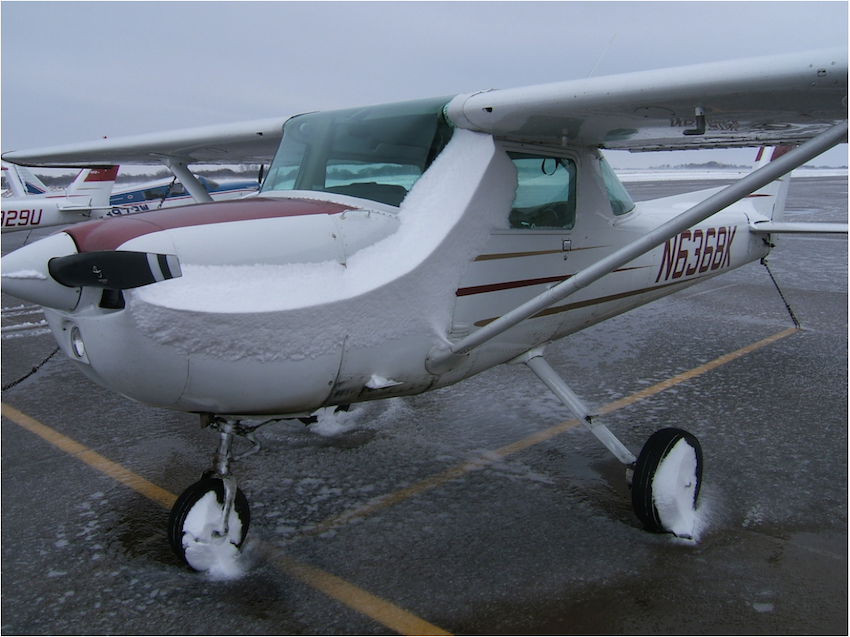
Cold Weather Procedures
- Details
Our planes need special care and attention when the temperatures start heading below 40 degrees. When the temperature is below freezing the club requires members to preheat the engines before starting them. When the temperature is below 20 degrees these engines can suffer significant damage without properly pre-heating the engine components and the oil. We have put together a presentation with information on our policies and procedures if you plan to be flying in cold weather, please review it and contact an instructor or a club officer if you have any questions. We encourage any member who does not fly frequently or is not familiar with operations during cold weather to please get with your instructor for a refresher session.
Here is the presentation for cold weather procedures: https://texinsflyingclub.box.com/s/kowycswl2n0w5153wp2htl2lob4ejsb7
Please note we also have a short instructional video and information on using the engine warmer in N4135W. Please follow this link for more information: Archer N4135W pre-heat instructions
Member Orientation and Policy Reminder
- Details
New members should be familiar with our club policies and procedures before using our planes. Instructors can help you with questions about those procedures. The new member orientation guide should get you started with some basic history of the club and a tour of the planes and procedures we use. This guide is meant to foster questions and help reinforce the policies in our flying regulations. Ask questions and read those regulations and policies too.
You can find a copy of the regulations here: https://texinsflyingclub.box.com/s/2clctnapemexzeqo2xiinzjldratizce
The member orientation guide is a power point presentation here: https://texinsflyingclub.box.com/s/y9zvedu1pa36v11conea1b8gcsvml5r6

Page 3 of 4